Sweden's Casino Heritage Inspires Fresh Poker Variant Experiments Among Regional Players
Ines Zimmermann · Sep 12, 2026
Sweden's Casino Heritage Inspires Fresh Poker Variant Experiments Among Regional Players
Sweden maintains a distinctive position in European gambling history through its state-operated casinos and early adoption of regulated gaming environments that date back decades, and this foundation continues to shape how regional players approach poker today. Traditional casino establishments such as Casino Cosmopol have long served as testing grounds where participants blend classic table games with emerging ideas, leading to hybrid formats that incorporate elements from both historical Swedish card customs and modern tournament structures.
Historical Roots Fueling Modern Adaptations
State monopolies once defined access to casino floors across major cities including Stockholm and Gothenburg, yet the shift toward a licensed market in 2019 opened pathways for private operators while preserving the cultural emphasis on controlled, communal play. Observers note that many current experiments trace their origins to these earlier settings, where players combined draw poker mechanics with community card elements drawn from local preferences for strategic depth over pure chance. Data from Spelinspektionen reveals steady participation rates in live poker events that exceed broader European averages, suggesting sustained interest in variants that reward familiarity with older casino rituals.
Emerging Variants and Regional Testing Grounds
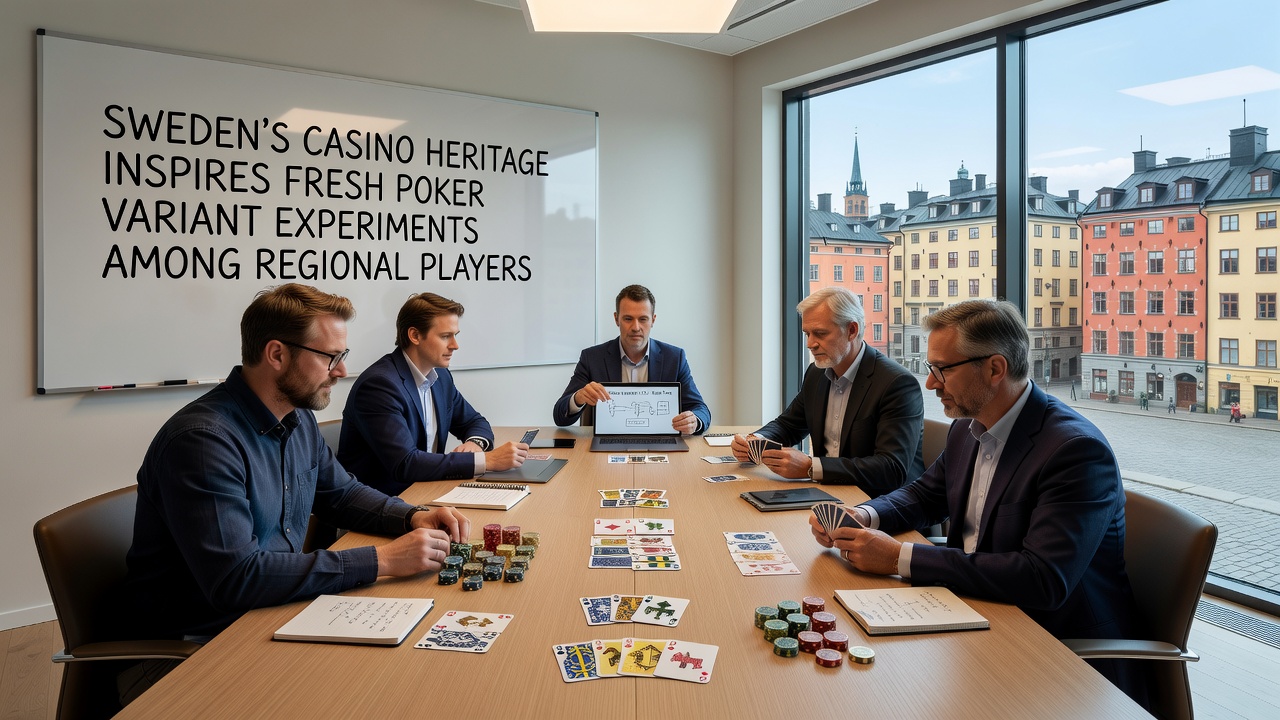
Regional groups have begun documenting trials of formats such as mixed-limit games that alternate between traditional Texas Hold'em rounds and Swedish-inspired five-card stud sequences, often introduced during monthly meetups at licensed venues. These experiments frequently occur alongside standard cash games, allowing participants to compare outcomes across rule sets without disrupting established bankroll practices. One recurring pattern involves the addition of optional side pots triggered by specific hand rankings tied to historical Swedish deck variations, which adds layers of decision-making while maintaining compatibility with international tournament software.
Live events scheduled for September 2026 at several Baltic Sea coastal locations will feature dedicated side rooms for variant testing, with organizers coordinating through established player networks to track adoption metrics. Such gatherings build on prior circuits by allocating time slots for feedback sessions, where results feed into iterative adjustments before wider rollout. Figures from industry reports indicate that attendance at these specialized sessions has grown by double-digit percentages year over year, reflecting coordinated efforts among regional organizers.
Regulatory Framework and Its Influence on Innovation
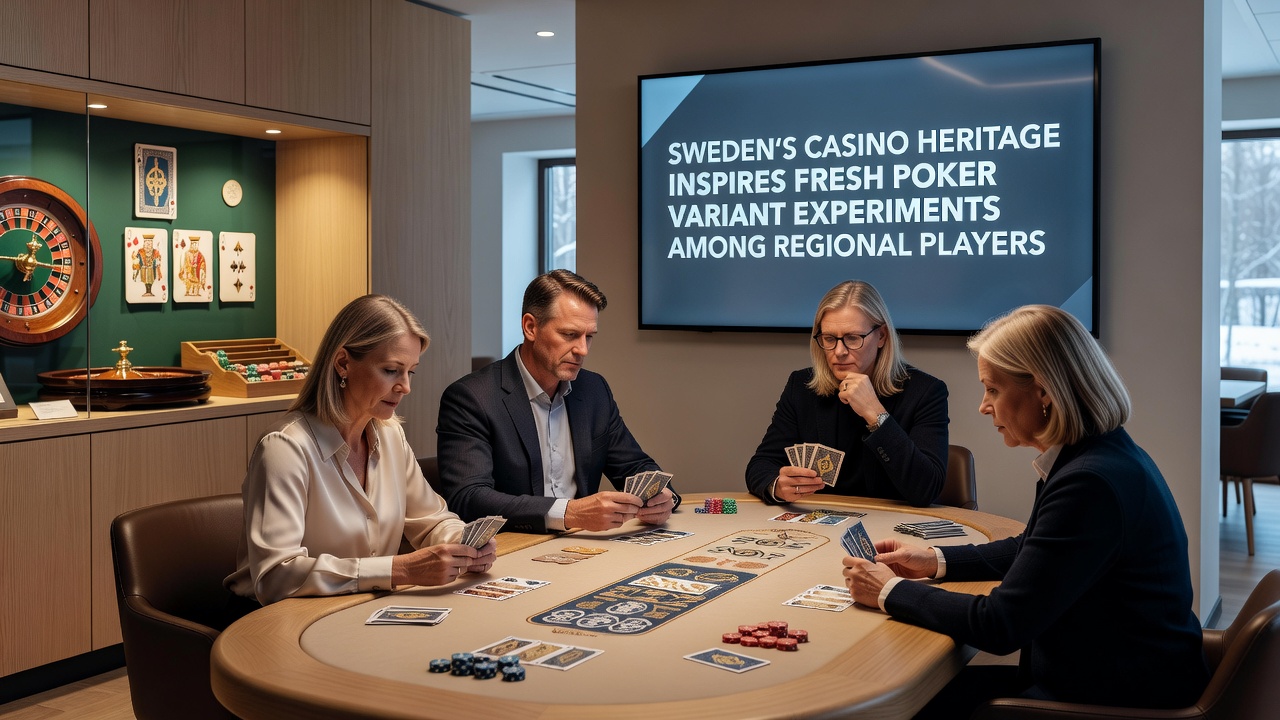
Licensing requirements established by Swedish authorities emphasize consumer protection and responsible gaming measures, yet these same rules permit flexibility in game design provided operators meet transparency standards for odds disclosure. Players therefore operate within clear boundaries when proposing modifications, which encourages documentation of rule changes before public trials. Research from Nordic gaming studies shows that such oversight correlates with higher retention rates in experimental formats compared to less regulated markets, because participants gain confidence from verified fairness protocols.
Community forums and club records document dozens of documented variants circulating among Swedish players since the licensing transition, many of which incorporate progressive betting structures adapted from older casino floor customs. These adaptations often prioritize slower-paced decision windows, aligning with preferences observed in long-running live sessions at state venues. External analyses from the Canadian Centre on Substance Use and Addiction further contextualize these trends by comparing participation patterns across jurisdictions with similar regulatory histories.
Community Networks Driving Broader Adoption
Player associations throughout southern and central Sweden coordinate regular workshops that introduce newcomers to variant rules through supervised play sessions, reducing barriers for those transitioning from standard formats. Tournament directors report that side events featuring these experiments frequently sell out faster than main brackets, indicating organic demand generated through word-of-mouth channels rather than formal promotion. Records kept by regional clubs show consistent cross-pollination between cities, with successful tweaks shared via shared databases that track win rates and rule iterations.
September 2026 programming will expand these opportunities by including multi-day variant showcases at facilities already equipped for international qualifiers, allowing direct comparison of results across different player demographics. Such programming aligns with ongoing efforts to integrate heritage elements into contemporary schedules without conflicting with licensed operator obligations.
Conclusion
Sweden's established casino traditions continue to provide a stable platform for poker variant development among regional participants, supported by regulatory clarity and active community structures. Participation data and event records confirm that these experiments remain integrated into existing live and online ecosystems, with upcoming 2026 gatherings positioned to further refine formats through structured feedback. The interplay between historical practices and current licensing conditions sustains this cycle of adaptation across multiple generations of players.